Loading...
Serving San Tan Valley, AZ and surrounding areas. (480) 919-2240
Your foundation carries everything above it. Get it done right the first time - proper prep, correct reinforcement, and a pour managed for the desert heat.
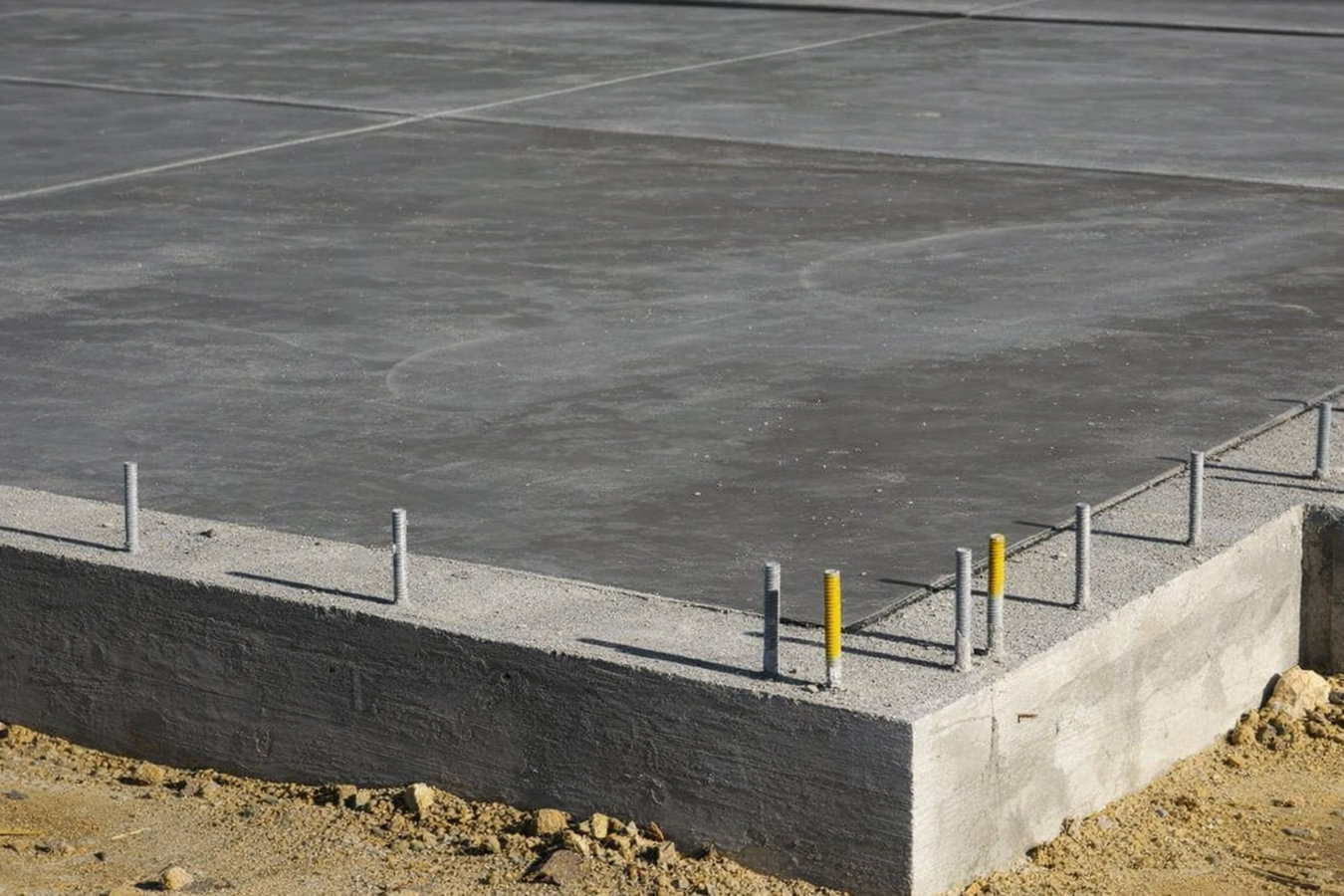
Slab foundation building in San Tan Valley means pouring a single reinforced concrete base directly on prepared ground - most jobs run three to seven days for the pour itself, with a permit and curing period adding two to five weeks total. It is the standard foundation type for all new residential construction in this area.
If you are building a new home in San Tan Valley, the slab is the first and most critical step. Everything else - framing, plumbing, electrical - follows from getting this right. The desert soil here, with its clay and caliche layers, behaves differently than soil in most of the country, so local experience matters.
Some homeowners also need slab work because their existing foundation has shifted, cracked, or settled unevenly after years of the wet-dry cycle that comes with monsoon season. Whether you are starting fresh or addressing a problem, the process starts the same way - with a site visit and a written estimate. You may also want to consider foundation installation if your project involves a more complex structure or design.
If you are starting a new home on a bare piece of land, you need a slab foundation before any framing can begin. In San Tan Valley, virtually all new single-family homes are built on slab foundations - it is the standard and most cost-effective choice for this desert environment.
Small surface cracks are normal as concrete cures. But cracks wider than a quarter inch, diagonal cracks from doorway corners, or cracks where one side is higher than the other are signs of foundation movement. San Tan Valley's expansive soil makes this kind of shifting a real risk, especially after monsoon rains followed by dry spells.
When a slab shifts or settles unevenly, the door frames and window frames above it go slightly out of square. If doors that used to swing freely now stick at the top or bottom, or if you notice gaps forming around window frames, the foundation underneath may be moving. This is worth investigating before the problem gets worse.
San Tan Valley's monsoon season brings intense short-duration storms. If water pools against the base of your house rather than draining away, it is soaking the soil next to your foundation. That repeated wetting and drying cycle is exactly what causes the soil movement that damages slabs over time.
We handle the complete slab foundation process from start to finish - site grading and compaction, gravel base, steel reinforcement, plumbing rough-in coordination, the Pinal County permit, the pour, and the curing management. If your design calls for a standard reinforced slab, we build it. If your engineer recommends a post-tension slab to handle San Tan Valley's expansive soils, we handle that too. Both concrete footings and foundation work can be coordinated as part of the same project.
For homeowners dealing with an existing problem rather than new construction, we assess whether the issue calls for repair or a full slab replacement. We also coordinate with foundation installation for projects that need a more comprehensive structural approach. Every job starts with a site visit - not a phone estimate.
Suited for homeowners building a new single-family home or structure on a vacant or cleared lot.
Suited for sites with expansive or clay-heavy soil where added crack resistance is recommended by an engineer.
Suited for homeowners with an existing slab showing cracks, settling, or unevenness that needs professional evaluation.
Suited for owner-managed or custom builds where the homeowner needs a contractor familiar with Pinal County's permit process.
San Tan Valley sits on caliche-heavy and clay-bearing desert soil that moves with moisture. After a monsoon storm soaks the ground and the following weeks dry it back out, the soil expands and contracts - and a foundation that was not designed for this will show cracks within a few years. This is not a scare tactic; it is the most common foundation complaint we hear from homeowners across the area. Proper soil compaction and grading before the pour is not optional here - it is the most important step in the entire job. Summer temperatures that regularly exceed 110 degrees Fahrenheit add another layer of complexity: concrete poured in peak afternoon heat dries out before it fully hardens, which leads to a weaker slab. Experienced crews in San Tan Valley schedule pours for early morning during summer and take specific steps to manage the surface during curing.
San Tan Valley is also in unincorporated Pinal County, not a city - which means building permits go through Pinal County Development Services rather than a city office. Contractors who primarily work in Maricopa County are sometimes unfamiliar with this process, which can cause delays. We work here regularly and know exactly how Pinal County's permit and inspection timeline works. Homeowners in Queen Creek and Mesa face similar soil and climate conditions and can count on the same approach.
We visit your lot in person before giving you a price - a phone quote for a slab foundation is not reliable because so much depends on actual ground conditions. You will receive a written estimate that breaks out each cost clearly. We respond within 1 business day.
We handle the Pinal County Development Services permit application on your behalf. This typically adds one to three weeks to the start of the project. We keep you informed so you always know where things stand in the approval process.
The crew grades and compacts the ground, lays a gravel drainage base, installs the concrete forms, sets the steel reinforcement, and coordinates the plumbing rough-in. A county inspector visits at this stage before any concrete is poured.
Concrete is delivered by truck and poured in a single continuous session - typically early morning in summer months. The surface is smoothed and finished, then carefully managed during the curing period to prevent drying too fast in the desert heat.
We handle the Pinal County permit, manage the pour for the desert heat, and give you a written estimate after a real site visit - not a phone guess.
(480) 919-2240We pull permits through Pinal County Development Services - not a city building department. Contractors unfamiliar with the county's process cause delays. We know the timeline, the required inspections, and what the inspector looks for before the pour.
San Tan Valley summers regularly hit 110 degrees Fahrenheit. We schedule pours for early morning and use proven techniques to slow the curing process in the heat. Concrete poured and managed incorrectly in this climate ends up weaker - something you will not see until cracks appear years later.
We have been building in San Tan Valley since 2023, working with the caliche and clay soils that characterize this area. That hands-on familiarity with how the ground here behaves is why our foundations stay level through monsoon seasons and dry spells. Local knowledge is not a selling point - it is a practical requirement for this kind of work.
Our Arizona Registrar of Contractors license means you have formal recourse if anything goes wrong. You can verify our license status directly on the ROC website in two minutes. Every job comes with documentation of passed inspections - records you can hand to a future buyer or lender without hesitation. See the Arizona Registrar of Contractors for details.
Every credential on this list exists to protect you as the homeowner - not to pad a sales pitch. A slab foundation is the most consequential concrete decision you will make for your home, and the right contractor handles it with the local knowledge and documentation it deserves.
For more information on Arizona concrete standards, visit the American Concrete Institute. For permit requirements in San Tan Valley, see Pinal County Development Services. For contractor license verification, use roc.az.gov.
Full foundation installation for new structures where design complexity or site conditions call for a more engineered approach.
Learn moreConcrete footings that anchor walls, posts, and load-bearing structures to stable ground below the active soil layer.
Learn moreFall and spring slots fill fast in this area - reach out now and we will confirm your timeline before the calendar fills up.