
Loading...
Serving San Tan Valley, AZ and surrounding areas. (480) 919-2240
Get a durable garage floor that handles Arizona heat, heavy vehicles, and daily use without cracking or settling over time.
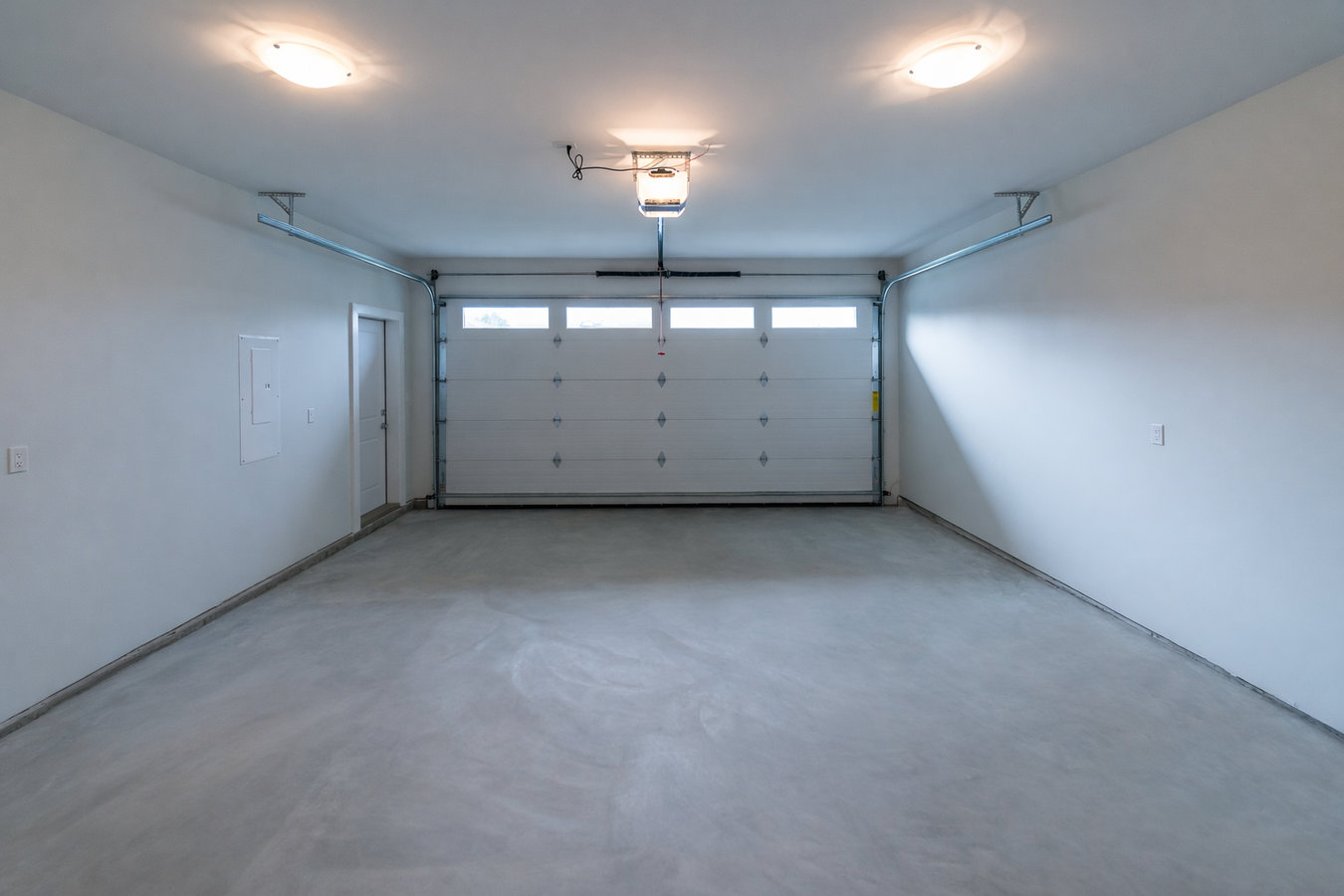
Garage floor concrete in San Tan Valley involves removing your old slab or prepping bare ground, pouring fresh concrete that's properly reinforced, and finishing it with a surface that lasts - most jobs from truck arrival to crew departure take one to two days, with a week of curing before you can park on it. If you're in a home built during the mid-2000s housing boom, your original builder-grade slab is now 15 to 20 years old, right when surface wear and stress cracks start showing up.
What separates a floor that holds up from one that cracks within a few years comes down to two things most homeowners never see: the base preparation underneath and how the crew manages the heat during the pour. In San Tan Valley, the combination of expansive clay soil and summer temperatures above 110°F means a rushed or poorly planned job will show problems fast. If you're also considering other flatwork like decorative concrete or concrete floor installation for your interior spaces, the same soil and climate factors apply across every concrete surface on your property.
Small hairline cracks are common and usually not urgent. But if you have cracks wide enough to fit a pencil tip, or cracks that have been slowly getting longer over the past year or two, the slab is telling you it's under stress. In San Tan Valley, this often traces back to the expansive clay soil underneath shifting through wet and dry cycles, and it won't fix itself.
Walk slowly across your garage floor and notice if any section feels lower than the rest, or if there's a visible dip near the walls or the center. Uneven settling is a sign the base underneath has shifted, something that happens more often in this area because of the soil conditions. A sunken section can become a tripping hazard and usually means the problem will get worse without intervention.
If your garage floor leaves a fine gray powder on your shoes or the surface looks pitted and rough in patches, the top layer of the concrete is breaking down. This is called spalling, and it typically means the original slab was either mixed poorly or didn't cure properly. It's mostly a cosmetic and maintenance issue at first, but left alone it accelerates.
A properly finished garage floor is slightly sloped toward the door so water drains out. If you always have a puddle in the same corner or along one wall, the floor either wasn't sloped correctly or has settled unevenly over time. Standing water in a garage accelerates surface wear and can eventually work its way under the slab.
We pour garage floors that are built for San Tan Valley's conditions from the ground up. That means properly compacted bases that account for expansive soil, steel reinforcement placed where it actually matters, and pour schedules that work around the heat instead of fighting it. If you need decorative concrete finishes or are planning concrete floor installation elsewhere in your home, we coordinate the work so everything is done to the same standard.
Every garage is different. A standard two-car space with passenger vehicles needs a four-inch slab with wire mesh. If you're parking a heavy truck, an RV, or storing equipment, we'll recommend going thicker - usually five or six inches - with rebar instead of mesh so the floor holds up to the extra weight over time. The finish matters too: a broom finish gives you grip underfoot and is the most affordable option, but if you want something easier to clean or more polished-looking, we can discuss coatings that get applied after the slab cures.
Four-inch reinforced slabs for typical residential use with broom finish.
Thicker pours with rebar for trucks, RVs, and equipment storage.
Complete removal and repour for floors with structural cracks or settling.
Soil assessment and compaction for homes on expansive clay.
San Tan Valley regularly sees summer highs above 110°F, and that kind of heat is genuinely hard on fresh concrete. When it's that hot, water evaporates from the surface too fast, which weakens the finished slab. Experienced local crews schedule pours for very early morning in summer, often starting before sunrise, and may use special additives to slow the drying process. If a contractor proposes pouring concrete at noon in July without any plan to manage the heat, that's a red flag worth asking about.
Much of the soil in and around San Tan Valley contains expansive clay, which swells when it gets wet and shrinks when it dries out. That movement can push up or pull down a slab over time if the base isn't properly prepared and compacted first. A good contractor will assess the soil condition before pouring and may recommend additional base material to create a stable, consistent foundation. We serve homeowners across San Tan Valley and nearby communities like Queen Creek, where these same soil and climate challenges show up on every project.
We ask about your garage size, existing slab condition, and any specific problems you've noticed. Most quotes require an in-person visit to check the floor and soil. You'll get a response within one business day.
We measure the space, look for signs of soil movement or drainage issues, and check what's underneath. This is your chance to ask about timeline, permits, and what the finished surface will look like.
We pull the Pinal County permit and schedule the inspection. If your old slab is being removed, that happens first - loud but done in a few hours. The crew then grades and compacts the base.
The concrete truck arrives and the crew works quickly to pour, spread, and finish the slab. In summer, we start early to beat the heat. You can walk on it lightly after 24 hours, but keep vehicles off for at least a week.
Licensed, bonded, and insured San Tan Valley concrete contractor. Free estimates, no pressure.
(480) 919-2240We've poured more than 150 residential garage floors across San Tan Valley, Queen Creek, and Gilbert since 2023. That local track record means we know the soil conditions, the permit process with Pinal County, and how to schedule around the heat - experience that shows up in the finished work.
We hold a current Arizona Registrar of Contractors license, which means we're bonded and insured. That protects you if something goes wrong, and it means you can verify our standing with the state before signing anything.
We pull the required Pinal County permit for every garage floor replacement, no exceptions. That means an independent inspector checks the base preparation before we pour - protecting you from hidden problems that could cause the floor to fail years later.
In San Tan Valley's summer heat, timing makes the difference between a strong floor and a weak one. We schedule hot-weather pours for very early morning, before the sun is up, and use curing techniques that slow evaporation so your slab gains strength correctly.
Every garage floor we pour in San Tan Valley is done the same way: proper base prep, steel reinforcement placed correctly, and a pour schedule that works with the climate instead of against it. That's what holds up over time.
Transform plain garage floors with color, texture, and pattern that mimics stone or tile.
Learn moreProfessional interior concrete floors for basements, workshops, and living spaces.
Learn moreSummer booking slots fill fast. Lock in your early-morning pour date before the heat season peaks.