
Loading...
Serving San Tan Valley, AZ and surrounding areas. (480) 919-2240
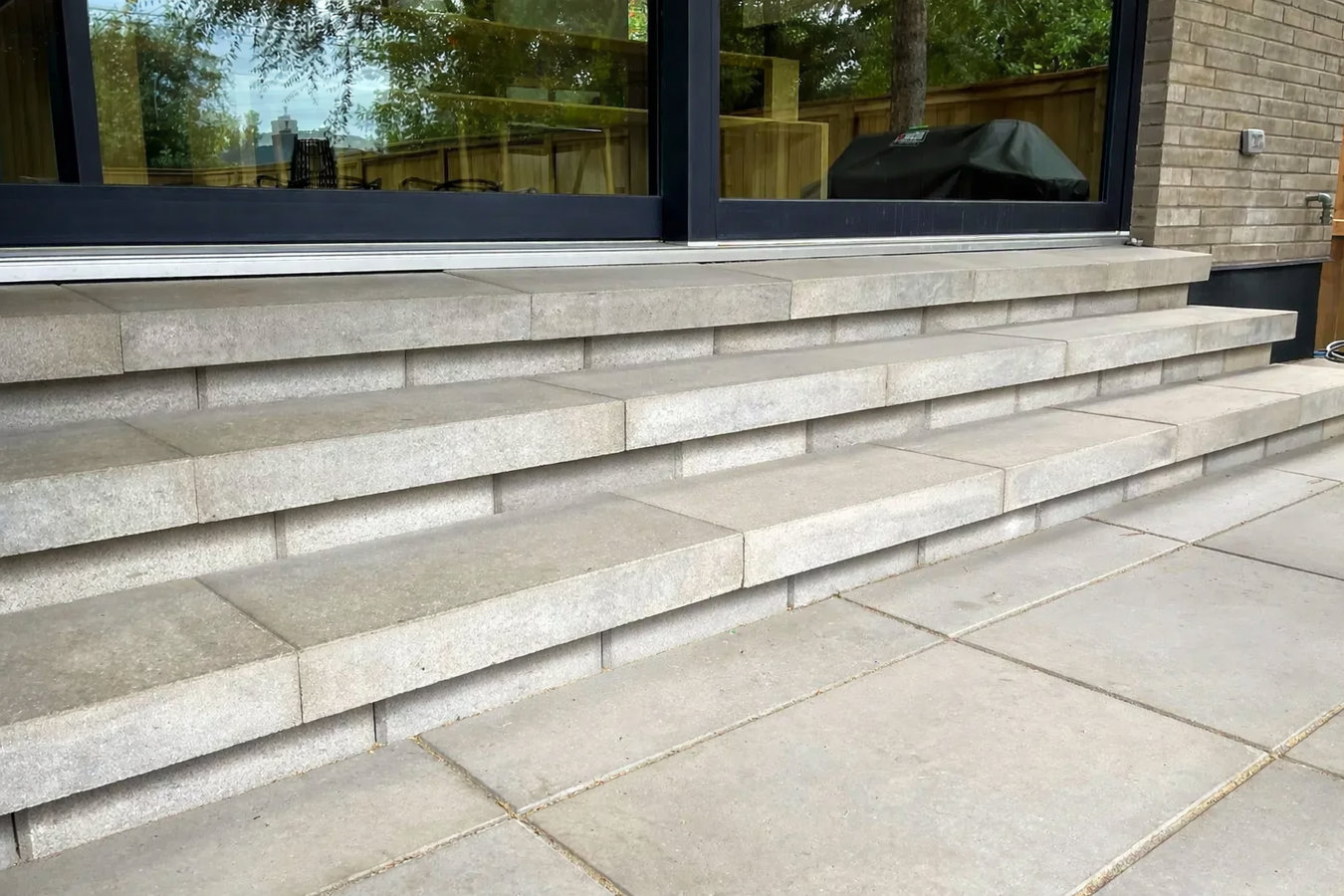
Cracked, uneven steps are a trip hazard and a curb appeal problem. We build and replace concrete steps with the base prep and permits your San Tan Valley home needs.
Concrete steps construction in San Tan Valley means building a poured-in-place staircase that can handle the desert climate and the shifting soil underneath - most residential projects take one to two days of active work plus a 24- to 48-hour cure before light foot traffic is safe.
Most homes in San Tan Valley were built between 2000 and 2015, which means a lot of original concrete steps are now 10 to 20 years old and reaching the point where cracking, settling, and surface wear become visible problems. If your steps feel uneven, show cracks wider than a pencil, or have separated from your home's foundation, those are signs the structure is failing - not just wearing. Many homeowners tackling their entry at the same time ask about concrete retaining walls for the surrounding landscape.
We handle the full process - assessment, Pinal County permits when required, demolition of old steps if needed, base prep, the pour, and a final walkthrough. You will know the price upfront before a single form goes in.
Cracks wider than a pencil tip, or cracks running all the way across a step, mean the concrete is failing structurally. San Tan Valley's summer heat and shifting desert soil accelerate this damage - a small crack can open significantly after just one or two monsoon seasons.
If a step shifts, rocks, or feels lower on one side, the base underneath has moved. This is a common result of San Tan Valley's expansive soil, which swells during monsoon season and shrinks back during dry stretches. A step that moves is a trip hazard and will not settle back into place on its own.
Concrete that has worn smooth over the years loses the texture that gives it grip. Monsoon rains between July and September can make smooth concrete steps dangerously slick. If you have noticed yourself or family members slipping, the steps may need to be replaced or resurfaced.
If you can see daylight where the steps meet the house, the steps have separated from the structure. This happens when the base shifts independently of the foundation - a common issue in newer San Tan Valley homes where the surrounding soil was not fully compacted during original construction. That gap will widen over time.
We build new steps from scratch and replace existing ones. For a full replacement, we break up and remove the old concrete, grade and compact the base, set the forms, pour, and finish. New steps we build from the ground up with a compacted gravel base and rebar inside the concrete - both of which you can't see but which prevent the steps from sinking or cracking over time. For larger entry projects, some clients also ask about slab foundation building to make sure the structure around the entry is stable before new steps go in.
Finish options range from a plain broom texture - the most affordable and practical choice for everyday use - to a stamped pattern that mimics brick or stone, or a colored concrete mix that matches your home's exterior. If you live in one of San Tan Valley's HOA communities, we check finish requirements before you commit to a color or style so there are no letters from the association after the work is done.
For steps that are cracked through, sinking, or separated from the foundation - we tear out the old concrete and build correctly from the base up.
Best for homes adding a new entry, expanding an existing stoop, or building steps where none existed before.
Practical, affordable, and slip-resistant - the right choice for most residential entry steps in San Tan Valley.
For homeowners who want the look of stone or brick at the front of their home without the higher cost of natural materials.
San Tan Valley's desert soil contains caliche and clay that expands when wet and contracts when dry. That cycle puts real stress on concrete steps with every monsoon season and dry stretch. A contractor who does not compact the soil base thoroughly and add a gravel layer before pouring is leaving you with steps that will shift and crack within a few years. Pinal County also requires building permits for structural concrete attached to a home, and a contractor who skips that step leaves you with undocumented work that can surface during a home sale. The American Concrete Institute has published installation standards that guide best practices for exactly these soil and climate conditions.
We work throughout San Tan Valley and nearby Queen Creek, and we know how HOA approvals work in the planned communities throughout this area - including neighborhoods built by Fulton Homes and Shea Homes during the 2000s and 2010s. Checking HOA requirements before the first form is set is not optional - it is how we avoid situations where finished work has to be redone at the homeowner's expense.
We ask a few basic questions - how many steps, the height from ground to door, and whether you are replacing existing steps or building new. You will hear back within 1 business day to schedule a free on-site estimate.
We come out, measure the space, check the existing conditions, and give you a written price covering labor, materials, demolition if needed, and permit fees. No line items that appear after the fact.
We handle the Pinal County permit application when required. Once approved, the crew handles demolition, base compaction, and form setting - the prep work that determines how long your steps will last.
The pour happens in the morning during warm months to avoid flash curing in the heat. After the forms come off and the concrete has cured, we do a final walkthrough with you before we leave.
No pressure, no obligation - just a clear price from a licensed San Tan Valley contractor who handles permits and HOA approvals for you.
(480) 919-2240San Tan Valley's caliche and clay soil shifts every monsoon cycle. We compact the base and add a gravel layer before every pour - the step that most directly separates a 10-year result from a 30-year one in this area.
You will receive a written estimate covering every cost - labor, materials, demolition, and permit fees - before we set a single form. No surprises mid-project, and no open-ended pricing you have to track.
Structural concrete steps attached to your home require a county permit in unincorporated San Tan Valley. We handle the application and schedule the inspection. Verify any contractor's Arizona license at roc.az.gov before signing.
Many San Tan Valley neighborhoods - built by Fulton Homes, Shea Homes, and others during the area's growth boom - have architectural guidelines covering exterior materials and finishes. We check those requirements before any work begins so you avoid doing the job twice.
Every steps project we complete is built on a properly prepared base with a written price, the right permits, and a finish that holds up to San Tan Valley's heat and soil conditions. That is the difference between steps that stay solid for decades and ones that need work again in a few years.
Ensure the structural base around your entry is stable before new steps are installed on top of it.
Learn morePair new steps with a concrete retaining wall to manage grade changes and improve the look of your entry or yard.
Learn moreFall and winter are the best time for concrete work in San Tan Valley - reach out now to lock in your spot on the schedule.