
Loading...
Serving San Tan Valley, AZ and surrounding areas. (480) 919-2240
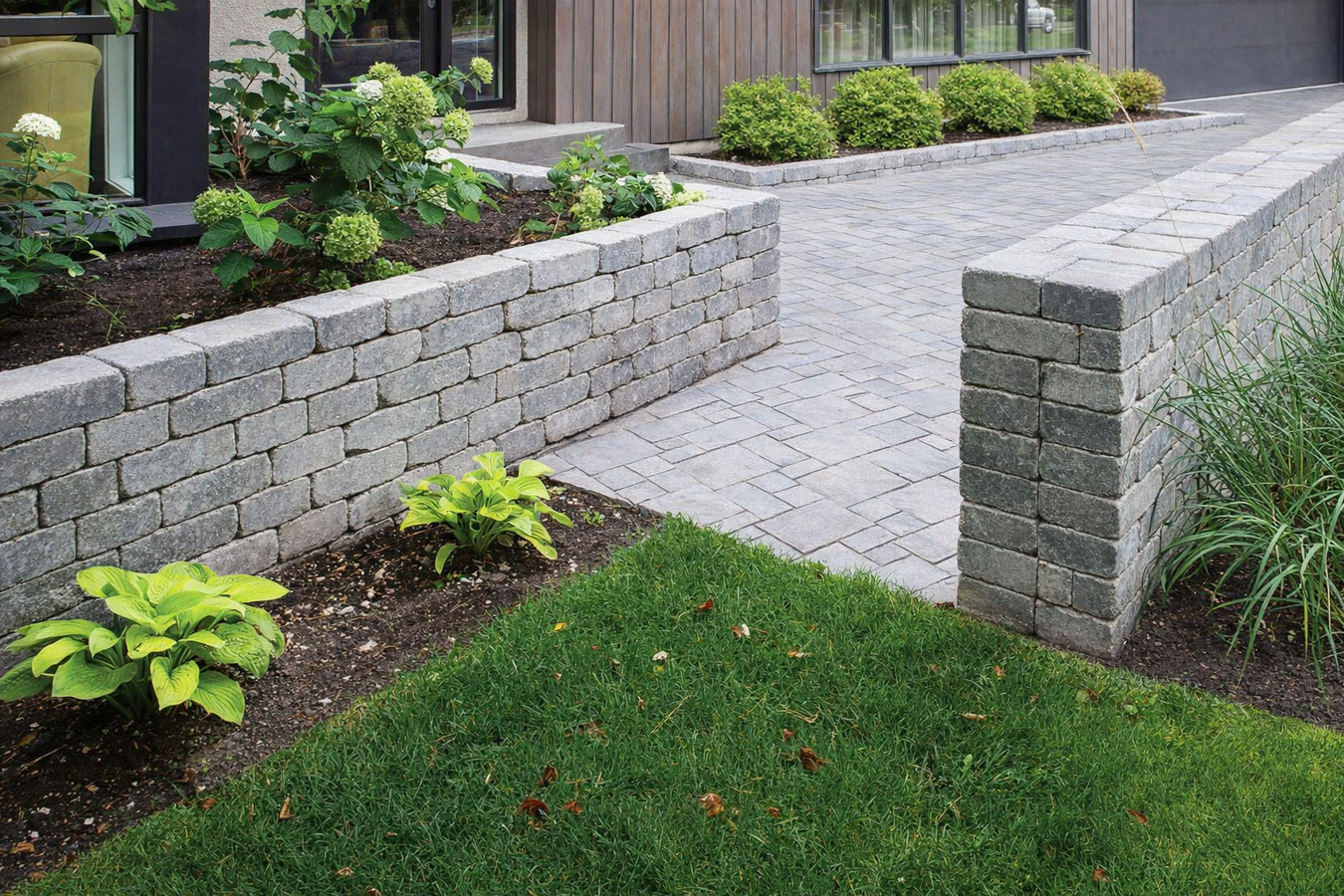
Sloped yards and shifting desert soil cause real problems in San Tan Valley. A properly built retaining wall stops erosion, creates usable space, and protects your foundation for decades.
Concrete retaining walls in San Tan Valley hold back soil on slopes, direct monsoon runoff away from your home, and create level, usable outdoor space - most residential projects take two to five days to build. If your yard has a problem slope or you are watching dirt wash toward your home every summer storm, a properly designed wall solves both issues at once.
San Tan Valley sits on caliche and clay-heavy desert soil that shifts with every moisture change. That movement is exactly why drainage behind the wall is not optional here - it is the difference between a wall that lasts and one that leans within a few years. If you are also updating your outdoor space, pairing a retaining wall with concrete steps construction is a common combination on sloped San Tan Valley lots.
Every wall we build includes proper footing depth, gravel backfill, and drainage to handle what this climate throws at it. Call (480) 919-2240 or request a free estimate to get started.
If you notice dirt moving toward your home, patio, or driveway after a monsoon storm, that slope is not stable. In San Tan Valley, even a modest grade can shed a surprising amount of soil in one afternoon of heavy rain. A retaining wall stops that movement before it reaches your foundation or driveway.
A wall that is tilting forward or showing wide cracks is under stress it was not designed to handle. This happens gradually as soil pressure builds, drainage fails, or the footing shifts in San Tan Valley's expansive desert soil. A leaning wall can fail suddenly, so do not wait to have it assessed.
If water collects against your home's foundation during or after a storm, there may be no structure directing runoff away from the house. A retaining wall combined with proper grading can redirect that water and protect your foundation from long-term moisture damage.
If part of your yard is too steep to mow, plant, or enjoy, a retaining wall can turn that wasted slope into usable flat space. Many San Tan Valley homeowners use them to create level planting beds or outdoor living areas on lots that were graded with significant slope during development.
We build poured concrete retaining walls and concrete block walls for residential properties throughout San Tan Valley and the surrounding East Valley. Poured concrete walls are formed on-site and cure into a single solid structure - the right choice for taller walls or any project where maximum strength is needed. Concrete block walls are built in courses and suit a wide range of heights and aesthetic preferences. Both options include footing excavation, proper drainage, and gravel backfill as standard - not add-ons.
If your project includes other exterior work, we can combine retaining wall construction with concrete floor installation for patios or utility spaces behind the wall. Permit handling through Pinal County is included in every project where one is required, so you are never left figuring out the county process on your own.
Best suited for taller structural walls where maximum strength and a smooth, uniform finish are priorities.
Ideal for homeowners who want flexibility in height and a finished look that works with HOA requirements.
Every wall includes gravel backfill and drainage pipe to manage monsoon runoff and reduce soil pressure.
We pull the required Pinal County building permits on your behalf so your project starts legally and stays on schedule.
San Tan Valley was developed quickly on sloped desert terrain, and many lots were graded in ways that left homeowners dealing with erosion problems from the start. The soil here - a mix of caliche and clay - expands when it gets wet during monsoon season and contracts again as it dries out. That constant movement is hard on any structure built into the ground, which is why footing depth and drainage are not negotiable on a wall here. A wall built without accounting for this soil behavior can start leaning or cracking within a few years of construction.
The permit requirements in Pinal County also catch some homeowners off guard. Walls taller than about two feet of exposed height require a building permit, and the review process adds time to the project. We handle that process for every applicable job. Homeowners in Queen Creek and Gilbert face the same drainage and soil challenges and often have similar HOA considerations, so our experience across the East Valley helps us move quickly on permits and approvals.
For more detail on how we handle Pinal County permits and the Arizona licensing process, see the Pinal County Development Services page and verify any contractor you hire through the Arizona Registrar of Contractors.
Reach out by phone or through our contact form and we will reply within one business day. We will ask a few quick questions about your slope, yard access, and any HOA requirements before scheduling a site visit.
We visit your property to look at the slope, soil, drainage, and what sits above and behind the wall. You receive a written estimate that breaks out labor, materials, drainage, and any permit fees - no lump-sum guessing.
If a Pinal County permit is required - and for most walls it is - we handle the application. Permit review typically adds one to two weeks before the start date, which we factor into the schedule upfront so there are no surprises.
The crew excavates the footing, builds the wall, installs gravel backfill and drainage pipe, and cleans up each day. Before leaving for the final time, we walk the wall with you and point out the drainage outlets and what to watch for after the first monsoon.
Free written estimate. No obligation. We reply within one business day.
(480) 919-2240We hold an active Arizona Registrar of Contractors license you can look up in about two minutes at roc.az.gov. That license means we are bonded, insured, and have met the state's requirements - and you have recourse if something goes wrong.
We pull every required Pinal County building permit before work starts - no shortcuts, no surprises at inspection. That permit record protects you when you sell your home and documents that the wall was built to code.
We install gravel backfill and perforated drain pipe on every wall project, sized for the water volume this climate actually produces. Contractors who skip or undersize drainage are the main reason walls fail in the Phoenix metro area after a few seasons.
We have worked in San Tan Valley's HOA communities, including Johnson Ranch and Ironwood Crossing, and we know the soil, the permit timelines, and the HOA approval processes that come with building here. That local knowledge shows up in fewer delays and better results.
Every wall we build starts with a site visit and ends with a final walkthrough - no guessing on either end. When you call us, you get a contractor who knows what San Tan Valley's soil and storms actually demand.
Pour a durable concrete floor in a garage, patio, or utility space behind or near your new retaining wall.
Learn moreAdd concrete steps to a tiered yard or elevated entrance created by your retaining wall project.
Learn moreMonsoon season comes every year - schedule your project now while our calendar is open and before summer rush hits.