Loading...
Serving San Tan Valley, AZ and surrounding areas. (480) 919-2240
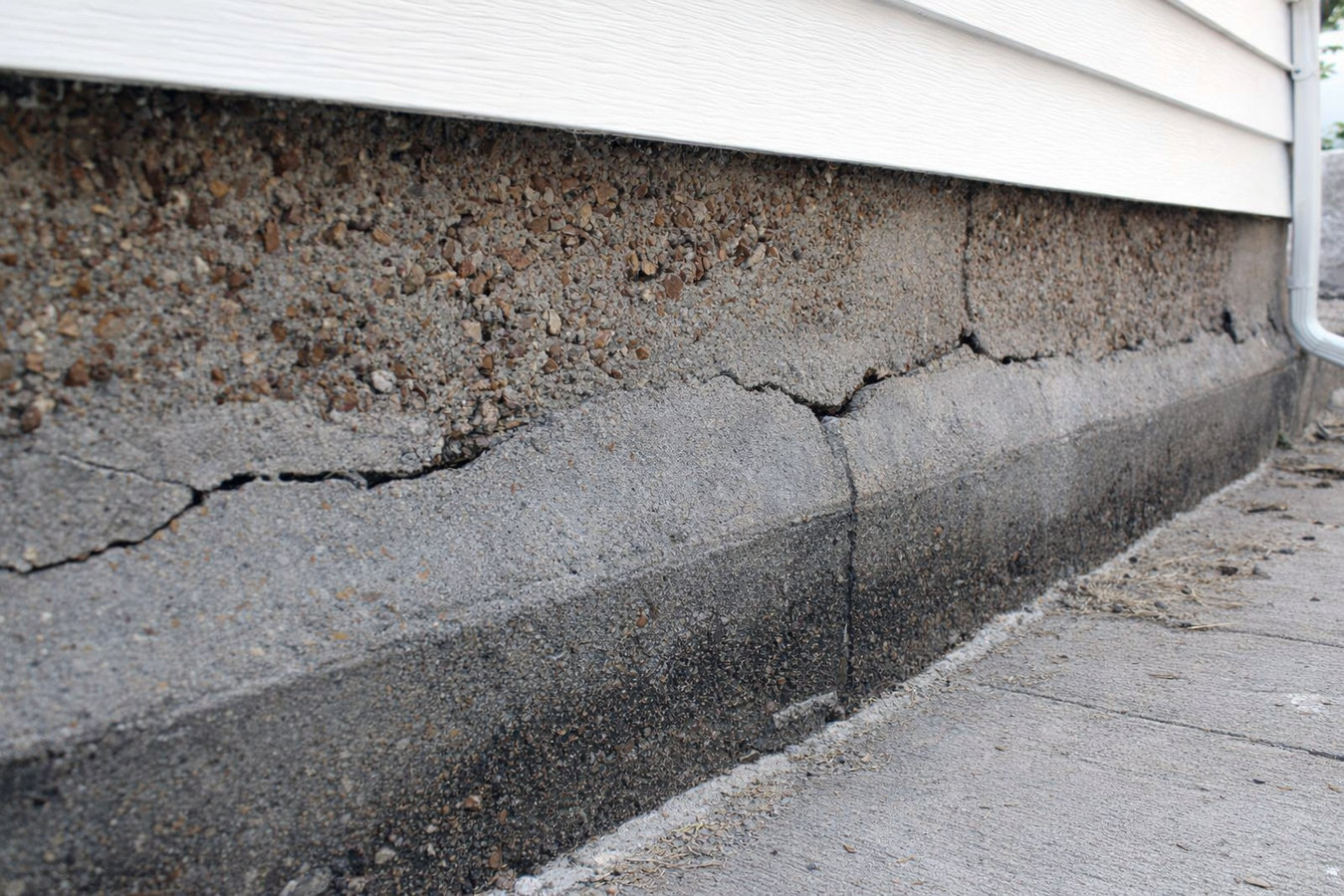
Sunken slabs create trip hazards and gaps that let pests and water inside. Get your foundation raised and stabilized without tearing out your existing concrete.
Foundation raising in San Tan Valley lifts sunken concrete slabs back to their original level by filling the voids beneath them - most residential jobs take one day, and you can walk on the surface the same day or the next depending on the method used.
If you have noticed a section of your driveway, patio, or walkway sitting lower than the surrounding concrete, you are dealing with a settling slab. In San Tan Valley, the culprit is almost always the soil underneath. The clay and caliche soils here expand when the monsoons bring water and shrink back during the dry months. That repeated cycle pulls support away from the bottom of your slab, and the concrete drops. The gap it leaves behind lets water in, creates a trip hazard, and - in the desert - gives scorpions and other pests a way into your home.
Foundation raising is designed to fix this without a full slab replacement. Instead of tearing out your existing concrete, we drill small holes, pump material underneath to fill the voids, and lift the slab back up. If your project also involves an existing structure that has shifted with the slab, we may also discuss slab foundation building as part of a longer-term plan.
If a door that used to swing freely now drags on the floor, or a window that opened easily now jams, the frame around it may have shifted because the slab has moved. In San Tan Valley, this often shows up in the fall after a heavy monsoon season has moved soil beneath the slab. It is one of the earliest and most reliable signs that something is happening with your foundation.
Walk around the outside of your house and look where the concrete meets the exterior wall. A gap - even a small one - means the slab has dropped away from where it was originally poured. In the desert, gaps like this also let scorpions, ants, and other pests find their way inside. This is a sign worth acting on quickly.
Diagonal cracks running from the corners of door frames up toward the ceiling are a classic sign of foundation movement. A little hairline cracking is normal in any home, but cracks wider than a pencil tip or cracks that seem to grow over time deserve a closer look from a concrete contractor before they become something more expensive.
If water collects against your home's foundation after a heavy storm rather than draining away from it, that water is soaking into the soil directly beneath your slab. In San Tan Valley, where monsoon storms can dump an inch of rain in under an hour, a gap that seems minor in April can cause real damage by September. If you see standing water near your foundation after summer storms, call for an assessment.
We handle the full process from site assessment to cleanup. That means walking the affected area to understand what caused the settling, giving you a written estimate that explains the method and what to expect, and carrying out the lift using either mudjacking or polyurethane foam injection - whichever fits your slab and soil conditions. We drill measured holes through the slab, pump material underneath until the concrete rises back to level, then patch each hole and clean up the work area before we leave. For homeowners whose concrete is badly cracked or structurally compromised, we will tell you honestly if slab foundation building makes more sense than trying to raise what is already there.
We also work on homes where settling has affected the structure above the slab and a full concrete cutting job is needed to remove damaged sections before anything else can be done. The Arizona Geological Survey has published resources on the expansive soils common to this region, which inform how we approach lifting and stabilization work here.
Suited for homeowners who want a proven, cost-effective method for lifting driveways, patios, walkways, and porch slabs that have settled but remain structurally intact.
Suited for homeowners who need a faster cure time, lighter fill material, or smaller drill holes - often preferred for garage floors and interior slabs.
Suited for slabs that have not yet noticeably dropped but show signs of voids underneath - filling the gaps before the concrete sinks prevents more expensive repairs later.
Suited for homeowners who have noticed early warning signs - sticking doors, small gaps, uneven floors - and want a professional evaluation before deciding on a course of action.
San Tan Valley sits on a mix of caliche hardpan and expansive clay soils that are common throughout the East Valley of Maricopa County and into Pinal County. These soils swell when they absorb water and shrink when they dry - a cycle that repeats every monsoon season between July and September. Those intense storms can dump an inch of rain in under an hour, and if your yard drains water toward your foundation rather than away from it, the soil beneath your slab shifts quickly. Many homeowners in the area first notice settling in the weeks after a heavy monsoon storm. That is why late summer and fall are the busiest times for foundation raising calls in this community. Addressing settling early - before gaps widen and water damage sets in - almost always means a simpler, less expensive fix. We serve homeowners throughout San Tan Valley, including neighborhoods near Queen Creek and Gilbert, where similar soil conditions and rapid home growth create the same patterns of settling.
San Tan Valley has also been one of the fastest-growing communities in Arizona over the past two decades, with large subdivisions built quickly on land that was previously undeveloped desert. Homes built from the mid-2000s through the 2010s are now old enough that any soil compaction or settling that was going to happen is starting to show up. If your home was built during that growth period, it is worth doing a walk-around inspection every year - especially after monsoon season - to look for gaps at the foundation, sticking doors, or floors that seem to tilt. The Pinal County Development Services office handles permits for structural foundation work in this unincorporated area, and we work with their process regularly.
When you call, we ask a few basic questions - where the settling is, how long you have noticed it, and whether you have seen any cracks or gaps. We reply within 1 business day and schedule a free on-site assessment at a time that works for you. No commitment required to get that first visit.
We walk the affected slab, check it from multiple angles, and look for signs of what caused the settling. We explain what we found in plain terms and give you a written estimate that breaks down the method, the cost, and what the finished job will look like - including how the patched drill holes will appear.
Before the crew arrives, move vehicles out of the driveway, clear furniture off the patio, and make sure we have easy access to the slab from all sides. This usually takes under 30 minutes. We remind you exactly what is needed when we confirm the appointment.
We drill small holes at measured intervals, pump material underneath until the slab rises to level, then fill and patch each hole before cleaning up. Most residential jobs finish in a few hours. If foam injection is used, you can walk on the surface within an hour. Mudjacking requires about 24 hours before putting weight on the slab.
We come out, assess the settling, and give you a written estimate - no obligation, no sales pitch. Most jobs are done in a single day.
(480) 919-2240San Tan Valley's clay and caliche soils behave differently from what you find in other parts of the Phoenix metro. We have lifted slabs across this community and know what the soil here does to concrete over time. That local knowledge changes how we assess a settled slab and which lifting method we recommend.
You will never get a verbal quote from us and a different number on the invoice. We put the method, scope, cost, and what the finished patches will look like in writing before the crew picks up a drill. That means no surprises on the day of the job.
Every concrete contractor working legally in Arizona must hold a current license from the state's Registrar of Contractors. You can look up our license number on the ROC website - takes about 60 seconds - and confirm we are current and in good standing before you hire us. The link is at roc.az.gov.
Foundation raising is the right call for most settled slabs - but not all of them. If your concrete is cracked through, crumbling, or badly deteriorated, we will tell you that replacement is a better long-term investment rather than push the job we can do right now. That honesty is why homeowners in San Tan Valley refer their neighbors to us.
Taken together, these things mean you get a contractor who shows up prepared, quotes honestly, works cleanly, and stands behind the result - which is exactly what this kind of repair requires.
When a settled or damaged slab needs sections removed before repairs can begin, precision saw cutting creates clean edges that make the next pour look right.
Learn moreFor concrete that is beyond lifting, a new slab foundation gives your structure a stable, properly prepared base built for the soil conditions here.
Learn moreCall today or request a free estimate online - most foundation raising jobs in San Tan Valley are assessed within 1 business day and completed in a single visit.