
Loading...
Serving San Tan Valley, AZ and surrounding areas. (480) 919-2240
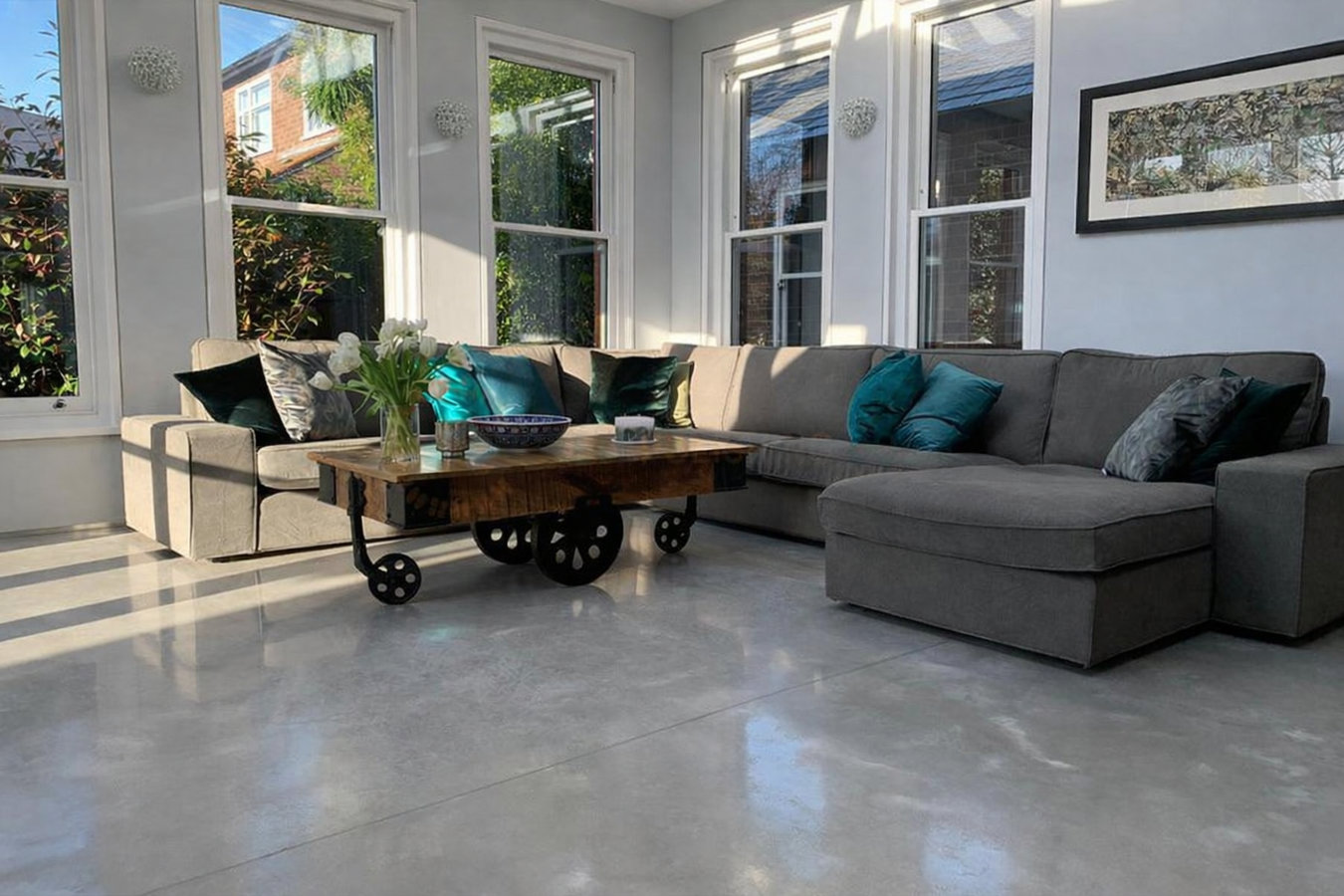
Desert heat and shifting soil crack floors that were not poured correctly. We schedule around San Tan Valley's climate, prep the ground right, and seal every floor before we leave.
Concrete floor installation in San Tan Valley involves ground preparation, a gravel base, a vapor barrier, and the pour itself - most residential projects take one to three days of active work, with full curing strength reached after about 28 days. Getting those first steps right is what separates a floor that holds for decades from one that cracks or flakes within the first few years.
The desert soil in San Tan Valley is the main challenge. Caliche and clay-heavy ground shifts with every moisture change - expanding during monsoon season and contracting when it dries out - and that movement is what causes most floors here to crack over time. If you are also looking at exterior work around your home, combining concrete floor installation with garage floor concrete refinishing or a new concrete pool deck is a common approach for homeowners doing a full backyard project.
We schedule every pour around San Tan Valley's heat and monsoon calendar, and we seal every floor we install as part of the job - not as an add-on. Call (480) 919-2240 or request a free written estimate to get started.
Small hairline cracks are common and often cosmetic, but cracks wider than a quarter-inch or cracks with a lip - where one side sits higher than the other - signal that the slab has shifted. In San Tan Valley, this kind of movement is often caused by the expansive desert soil reacting to monsoon moisture after a dry stretch.
If the top layer of your floor is peeling off in chips or leaving gray dust, the surface has started to deteriorate. This is especially common in San Tan Valley homes where the original slab was finished during hot weather and dried too quickly. Once the surface layer breaks down, the floor usually needs to be resurfaced or replaced.
A properly installed floor drains toward a door or drain. If you notice puddles sitting in the middle of your garage floor after a monsoon or after washing your car, the floor was either poured with an incorrect slope or has settled unevenly. Standing water accelerates surface damage and can seep under walls.
Many San Tan Valley homes have workshops, storage areas, or covered patios that were never finished with a concrete floor. If you are converting that space into a home gym, workshop, or laundry area, a concrete floor is usually the first step. Bare ground in an enclosed space also attracts pests and moisture.
We install concrete floors for garages, covered patios, utility rooms, workshops, and other residential spaces throughout San Tan Valley. Every project starts with proper ground prep - excavation, soil compaction, and a gravel base - before any concrete goes down. We install a vapor barrier under every slab because monsoon-season ground saturation is a real issue here, and skipping that step creates moisture problems that show up months later.
After the pour, we cut control joints to guide any future cracking into neat, predictable lines instead of random fractures across your floor. Sealing is included on every project - not priced as an extra. For homeowners who want a finished look beyond standard gray concrete, we can also connect this project with our concrete pool deck work or garage floor concrete services that include color and texture options. Permits through Pinal County are handled on every applicable job.
For bare-ground spaces being converted into garages, patios, utility areas, or workshops - poured fresh on a properly prepped base.
Included on every project to address San Tan Valley's expansive soil and monsoon-season ground moisture.
Cut joints guide cracking predictably, and sealing protects the surface from staining, moisture, and desert UV exposure.
We pull the required permits on your behalf so your project is documented, inspected, and protected for future resale.
San Tan Valley grew very quickly over the past decade, and some homes from that building boom were built during high-demand periods when labor was stretched thin. Not every slab from that era was given the time and care it deserved - inadequate soil prep and missing control joints are common issues in homes built during that rush. If you are finishing a garage or adding a floor to a newer home, it is worth having the ground conditions assessed before pouring, rather than discovering problems after the fact.
The extreme heat is the other factor that separates a contractor who knows this market from one who does not. Concrete poured at 108 degrees without retarding admixtures and early morning scheduling can blister and crack before the crew finishes. We schedule summer pours before sunrise and use mixes designed for desert conditions. Homeowners in Mesa and Chandler face the same heat and soil conditions, and we bring the same approach to every job across the East Valley.
For guidance on hot-weather concreting standards, the American Concrete Institute publishes widely used guidelines for pours in extreme temperatures. Verify any contractor you hire through the Arizona Registrar of Contractors before signing anything.
We reply within one business day. You will be asked a few quick questions - what the floor will be used for, roughly how large the area is, and whether you are working from bare ground or an existing slab. No commitment required at this stage.
We come out, measure the space, and check the ground conditions and drainage. You receive a written estimate that itemizes site prep, materials, labor, sealing, and any permit fees - so you can compare quotes apples to apples.
For most residential concrete floor projects in Pinal County, a permit is required. We handle the application, and once it is approved we schedule the pour - often timing it for fall or winter to avoid heat delays. If you are booking in summer, we plan around the heat calendar upfront.
The crew preps the ground, pours and finishes the floor, and cuts control joints. We return within the first week to apply sealer once the floor has cured enough. Before leaving for the final time, we walk the floor with you and confirm there are no surface issues.
Free written estimate. No obligation. We reply within one business day.
(480) 919-2240We do not pour concrete at noon in 108-degree heat. Every summer project is scheduled in the early morning hours, and we use admixtures that slow the drying process so the crew has time to finish the surface properly. That discipline is why our floors do not blister or crack within the first year.
A bare concrete floor in the San Tan Valley climate will start showing moisture damage and wear faster than most homeowners expect. We seal every floor we install as part of the job - not something you have to ask for or pay extra for. You get a protected surface from day one.
Skipping the permit on a concrete floor project in Pinal County can create real problems when you sell your home or file an insurance claim. We handle the application from start to finish so the project is documented, legal, and on record. You never have to navigate county offices on your own.
We know the soil conditions in this market, the HOA approval processes in communities like Johnson Ranch and Ironwood Crossing, and the permit timelines at Pinal County. That local knowledge means fewer surprises and faster turnaround on every project we take on here.
Every project starts with a written quote and ends with a sealed floor and a final walkthrough. When you hire us, you get a contractor who plans around the climate, not in spite of it.
Extend your outdoor project with a durable, slip-resistant concrete pool deck built for the San Tan Valley climate.
Learn moreUpgrade your garage with a thicker, finished concrete floor designed to handle vehicle loads and daily use.
Learn moreFall and winter slots fill up fast - reach out now to lock in your project date before the schedule fills.